Latvijas Regbija Federācija
The Latvian Rugby Federation is the governing body for rugby union in Latvia. It oversees national teams — including senior men's XV, men's 7s, U18, U20, and women's 7s — and organises domestic competitions such as the Latvijas Čempionāts RXV and the Latvian Cup. The federation also maintains a network of member clubs across the country and publishes board protocols, regulations, and disciplinary decisions.
Competitions
Men's Championship RXV, Cup competitions, and age-group leagues from U11 to U20, plus women's Rugby 7s.
View CompetitionsNational Teams
Senior men's XV, men's 7s, U18, U20, and women's 7s squads representing Latvia internationally.
View TeamsMember Clubs
Over twenty affiliated clubs including Livonia, Virtus, LSPA, Fēnikss, Liepāja, Ovāls, Miesnieki, and more.
View ClubsPhoto Gallery
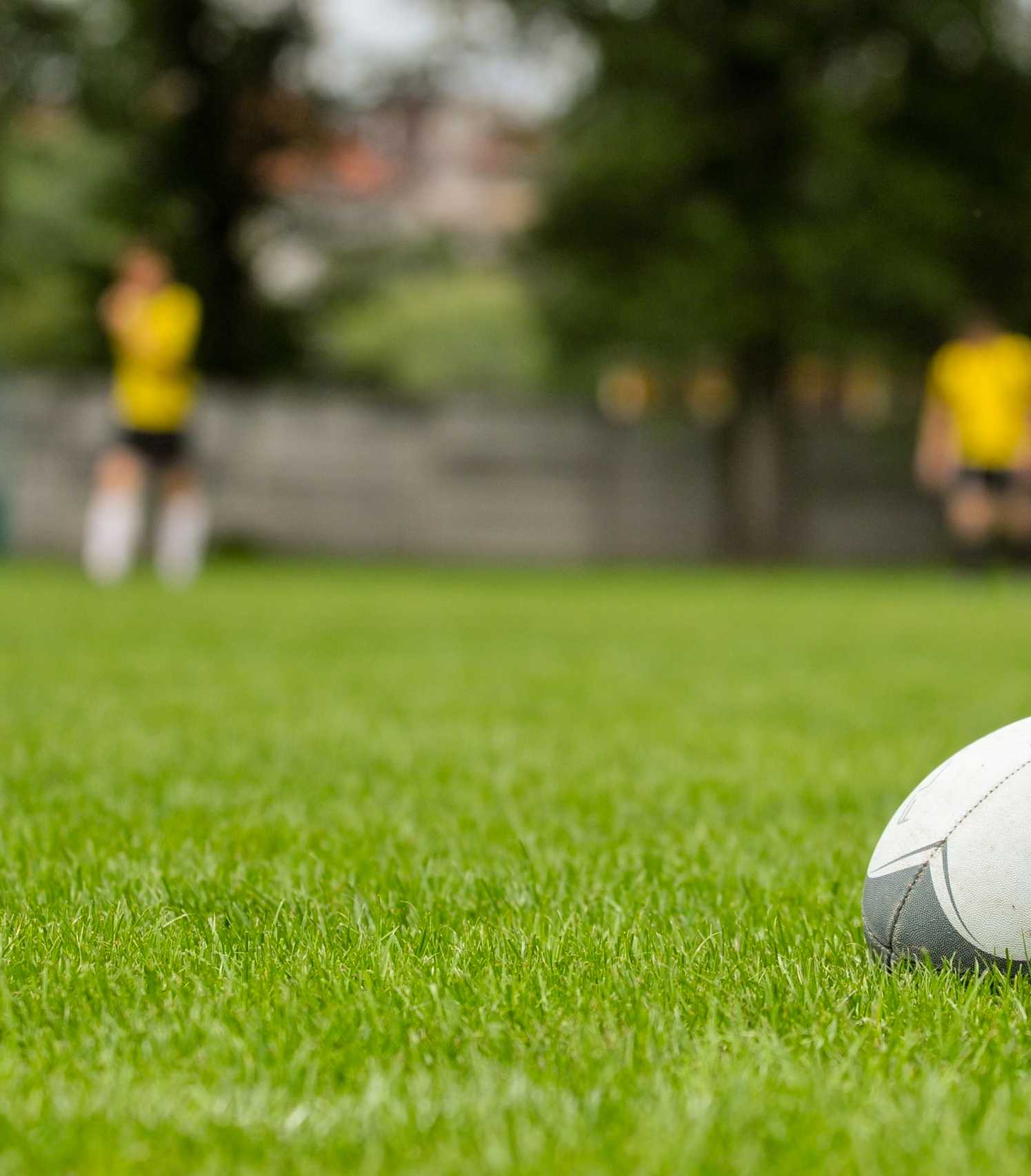
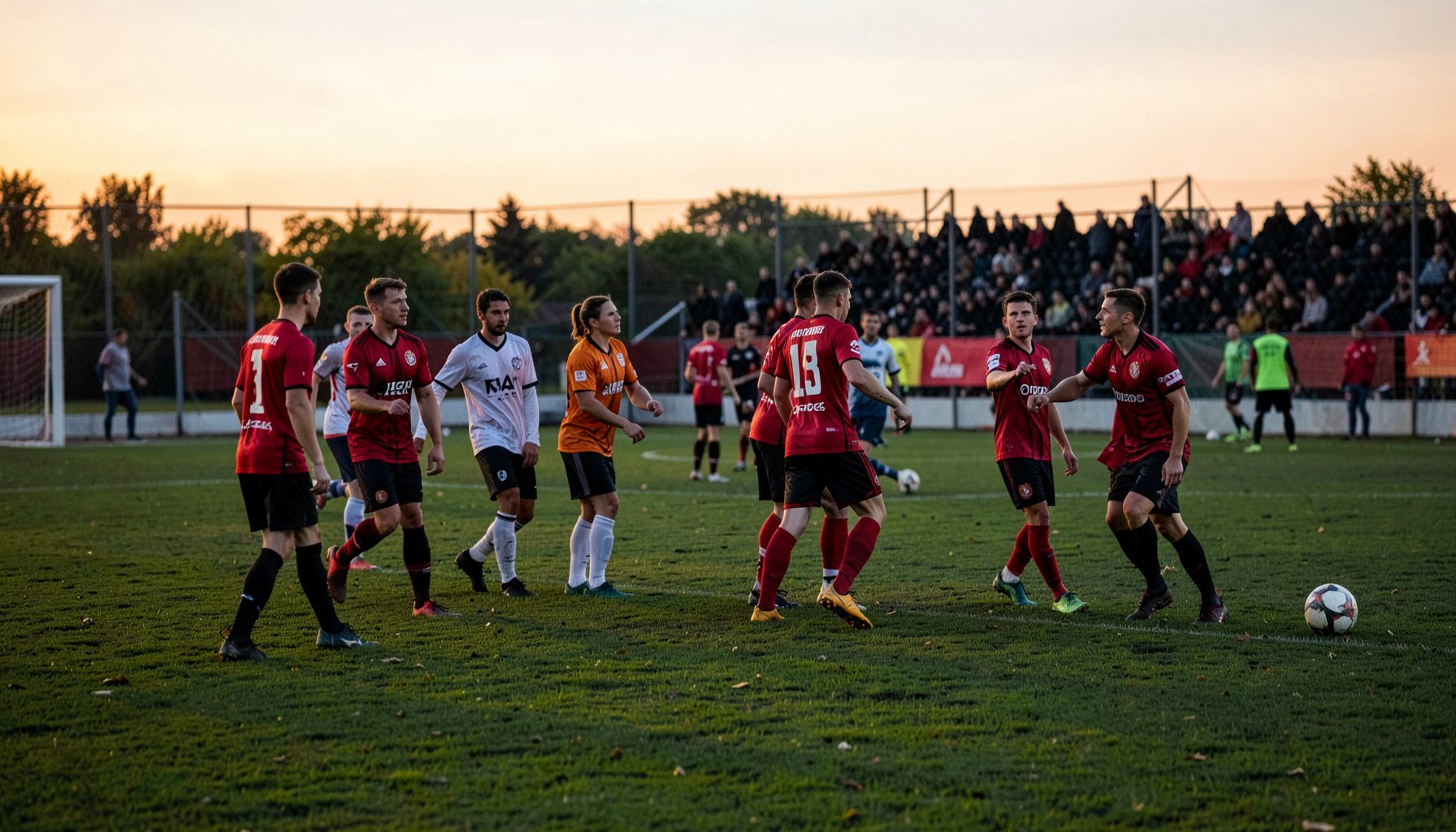


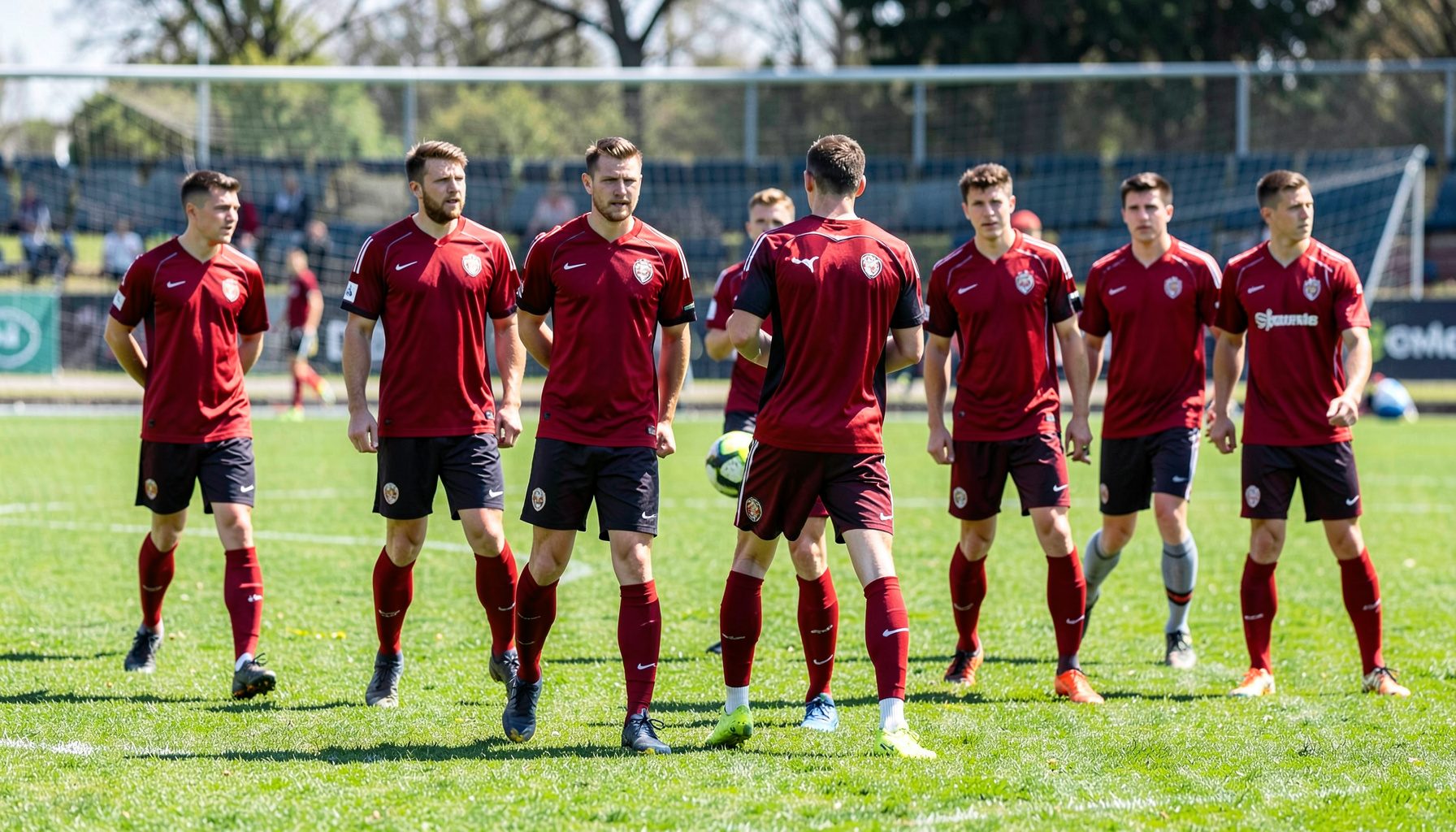
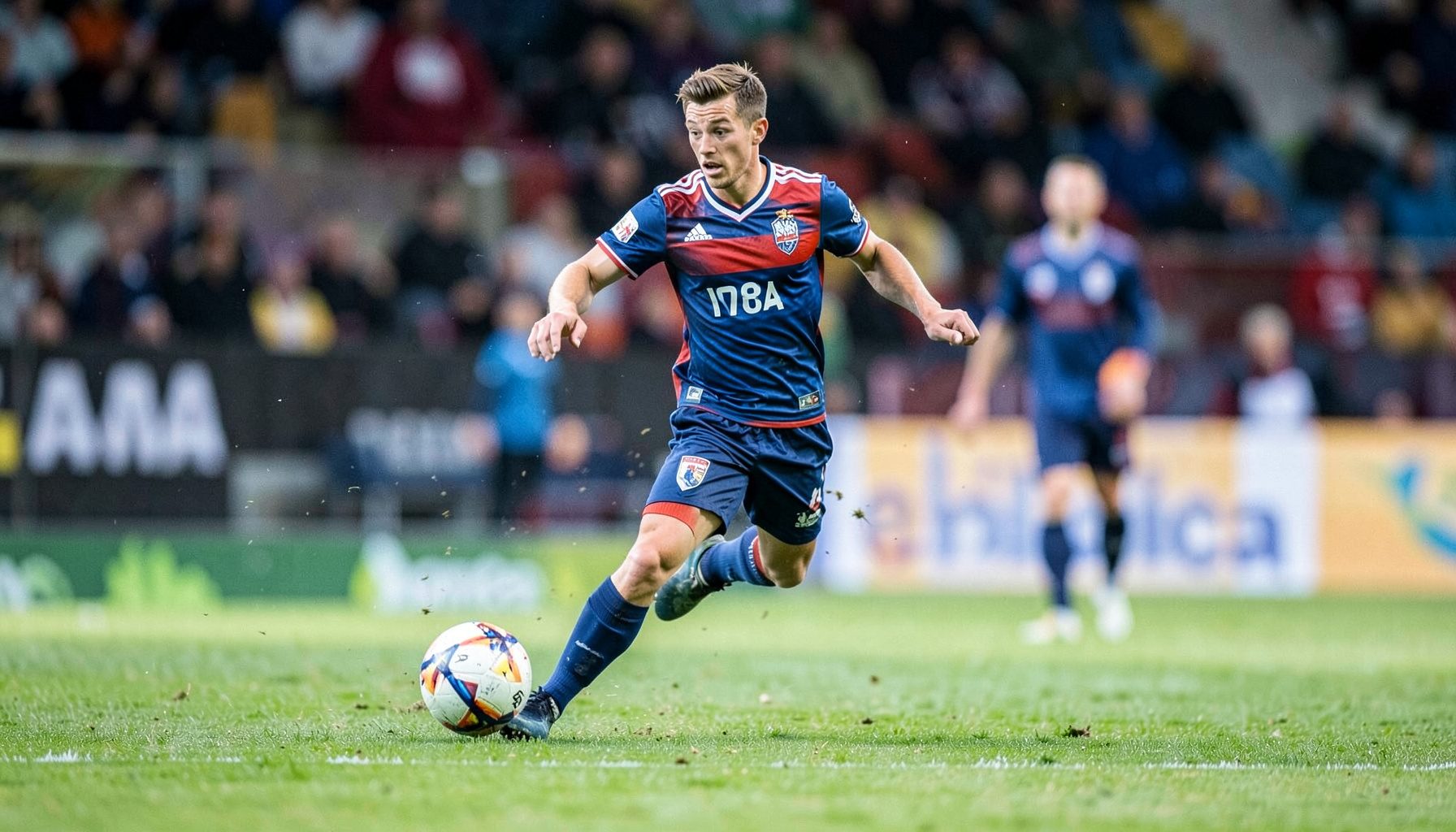
Rugby in Latvia is organised around a structured league system that spans multiple age groups and formats. The flagship competition is the men's championship, known as the Latvijas Čempionāts RXV, which brings together clubs from across the country to compete over a full season. Alongside the league, the Latvian Cup offers a knockout tournament that often produces dramatic encounters and gives smaller clubs a chance to challenge established sides. These competitions form the backbone of domestic rugby and provide a steady rhythm of matchdays throughout the spring and autumn months, drawing players and supporters from Riga, Jelgava, Ķekava, and beyond.
Age-grade rugby plays a vital role in the development pathway overseen by the federation. Structured leagues exist for under-11, under-13, under-15, under-17, and under-18 age groups, ensuring that young players have regular competitive opportunities from an early age. These youth competitions are designed to foster fundamental skills, teamwork, and a lasting passion for the sport. Clubs across Latvia field junior sides, and the federation supports this grassroots network with coaching resources and organised festival days. The emphasis at every age level is on participation, player welfare, and the gradual introduction of the game's tactical and physical dimensions.
Women's rugby in Latvia has grown steadily, with rugby sevens serving as the primary format for female players. The federation supports women's sevens squads that compete in regional tournaments and Baltic competitions, offering a fast-paced and dynamic version of the game. Sevens rugby demands exceptional fitness, spatial awareness, and quick decision-making, and the Latvian women's programme has embraced these challenges. Training camps and squad selections take place throughout the year, and the federation continues to invest in expanding opportunities for women and girls to take up the sport at club and national level.
The national teams programme represents Latvia in international rugby across several categories. The senior men's XV side competes in European competitions, testing itself against neighbouring nations and contributing to the country's standing within the rugby community. Alongside the traditional fifteen-a-side format, the men's sevens team participates in fast-paced tournaments that showcase athleticism and skill. Age-grade national sides at under-18 and under-20 levels provide a bridge between domestic youth rugby and the senior setup, giving promising players exposure to international standards and helping to build depth across the player pool.
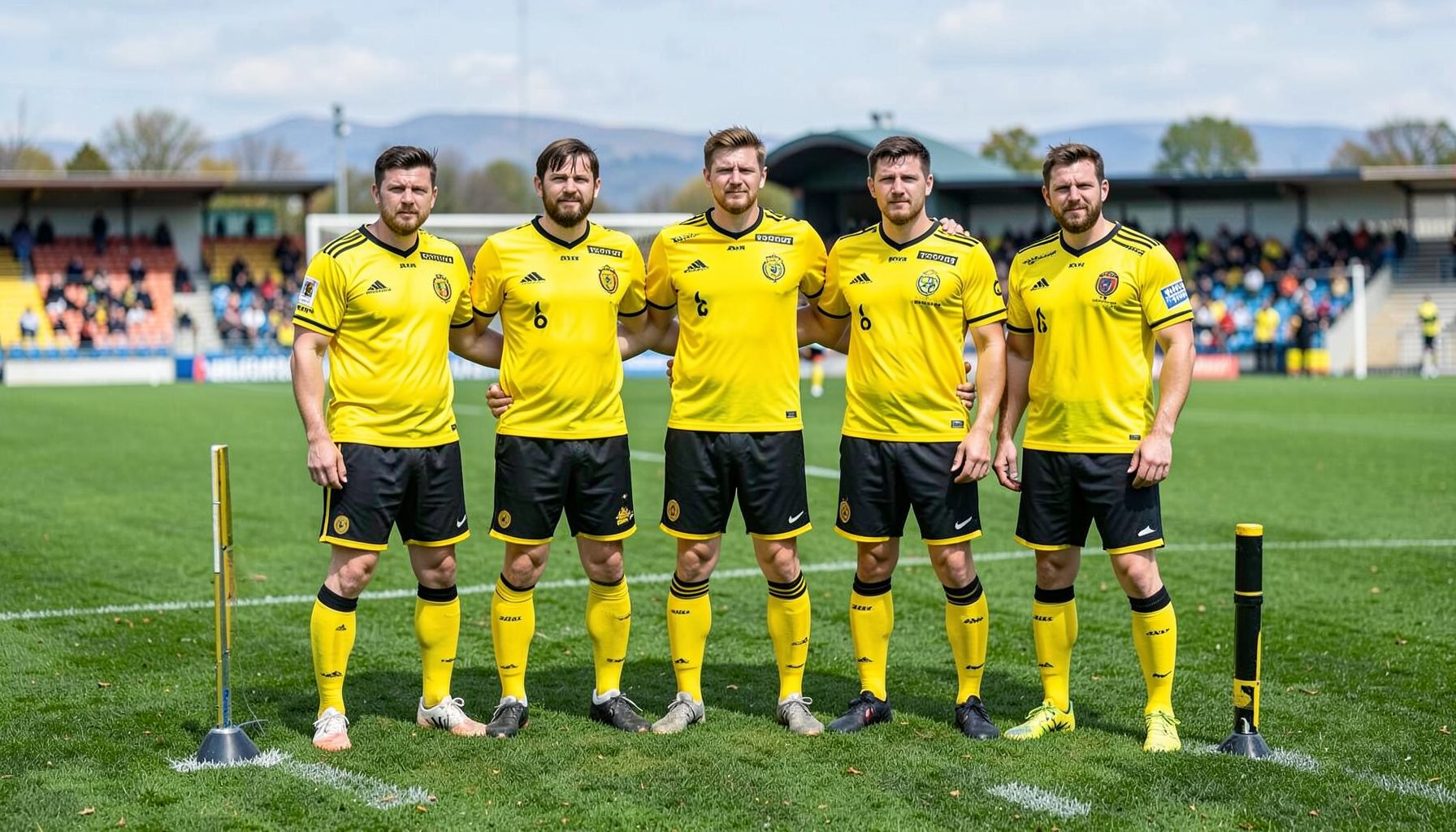
Match officials are an essential part of the rugby ecosystem in Latvia, and the federation places strong emphasis on referee development. Trained referees and touch judges officiate across all levels of domestic competition, from senior men's league fixtures to youth tournaments. The federation organises regular training sessions, assessments, and workshops to ensure that officiating standards remain high and consistent. Becoming a referee offers a meaningful way to stay involved in the sport, and the federation welcomes new candidates who wish to learn the laws of the game and contribute to its fair and safe conduct on the field.
Club rugby forms the foundation of the Latvian rugby community, with member clubs spread across the country. Teams such as those based in Riga, Jelgava, Ķekava, and Rūjiena provide training and match opportunities for players of all ages and abilities. Each club operates its own youth sections, senior squads, and often women's teams, creating local hubs where the sport can thrive. The federation works closely with these clubs to coordinate fixtures, share best practices, and support recruitment efforts. This network of clubs is the lifeblood of the game, nurturing talent and sustaining rugby's presence in towns and cities throughout Latvia.
Beach rugby has become a popular summer variant of the sport in Latvia, adding variety to the annual calendar. Played on sand with smaller teams, beach rugby emphasises handling, evasion, and creativity in a more relaxed but still competitive setting. The federation has supported beach rugby events that attract mixed teams and newcomers, making it an accessible entry point for those curious about the game. These tournaments often take place in coastal locations and bring a festival atmosphere that complements the traditional grass season, helping to broaden rugby's appeal beyond the established club structure.
The federation maintains a commitment to transparency and good governance through the publication of board protocols, regulations, and disciplinary decisions. These documents outline the rules that govern competitions, player eligibility, and club responsibilities, ensuring that all participants operate within a clear framework. Disciplinary panels review incidents from matches and issue rulings in accordance with established procedures, upholding the sport's values of respect and fair play. By making these records publicly available, the federation reinforces accountability and gives the rugby community insight into how the game is administered at the national level.
Facilities and infrastructure play a key role in supporting rugby across Latvia. Several clubs have access to dedicated rugby pitches, including venues in Upesciems, Baldone, and other locations that host regular league matches and training sessions. The development and maintenance of these grounds is an ongoing priority, as quality playing surfaces contribute to player safety and the overall standard of the game. The federation collaborates with local authorities and clubs to improve existing facilities and explore opportunities for new venues, recognising that accessible and well-kept pitches are fundamental to the sport's growth.
The Latvian Rugby Federation also fosters connections beyond its borders through participation in Baltic and European rugby structures. Regional cooperation with neighbouring countries provides valuable competitive opportunities for clubs and national teams alike. Tournaments and friendly fixtures against sides from Lithuania and other Baltic nations help raise the level of play and strengthen sporting ties. These international relationships extend to coaching exchanges, referee development, and shared learning, all of which contribute to the continued evolution of rugby in Latvia and its integration into the wider European rugby family.